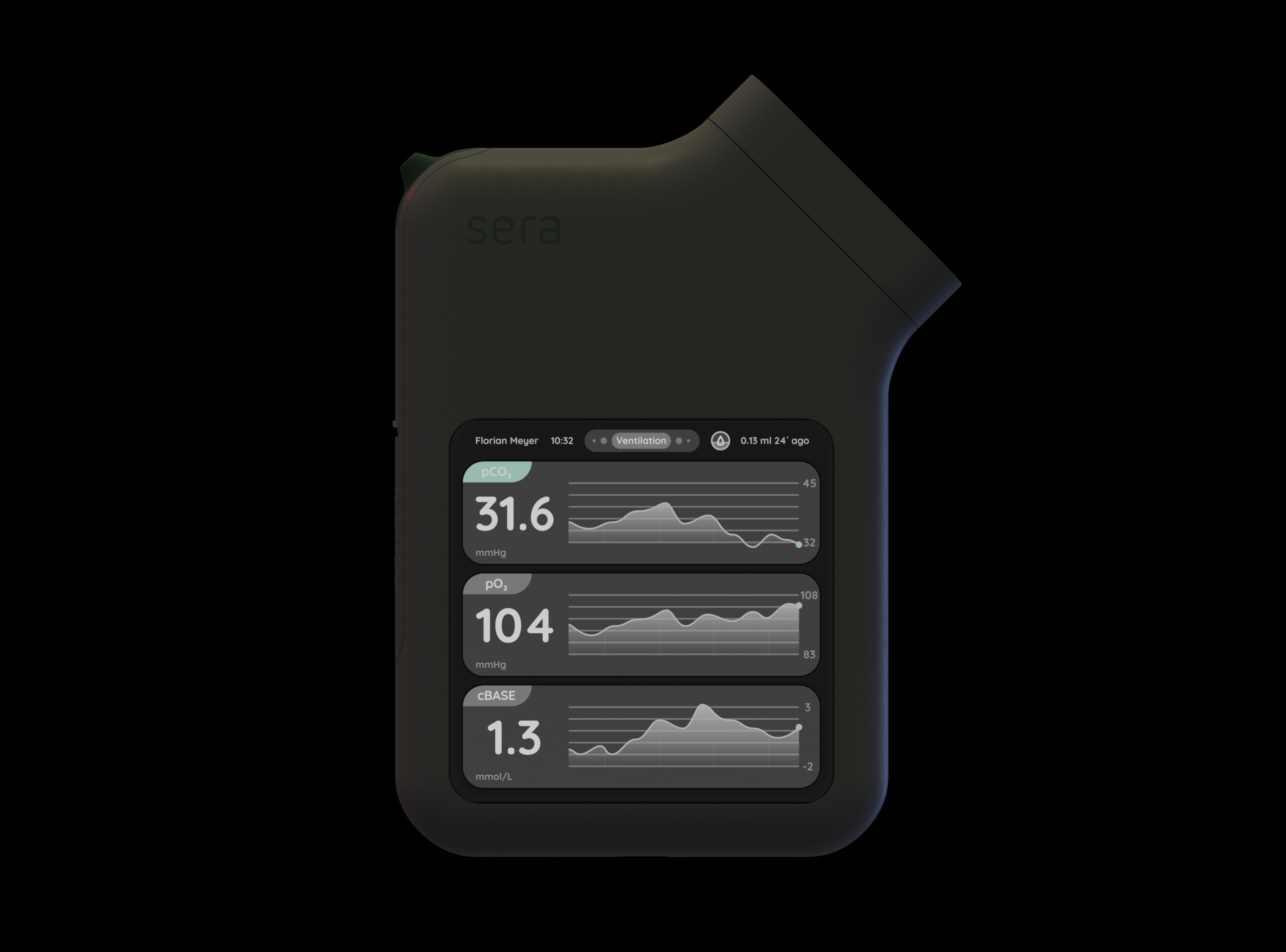
System for automated blood gas analysis to relieve healthcare staff and patients
Project Information
Timeline
April - July 2025
Project Type
Diploma Thesis
Contributors
Florian Meyer
Applied Competencies
Creative Direction Concept Generation Experimenting 2d Development 3d Development Visualisation Prototyping Software Design AI Exploration
Initial question
Why is the existing process of blood gas analysis still characterized by manual workflows and a high expenditure of time despite the fact that every second counts in intensive care units?
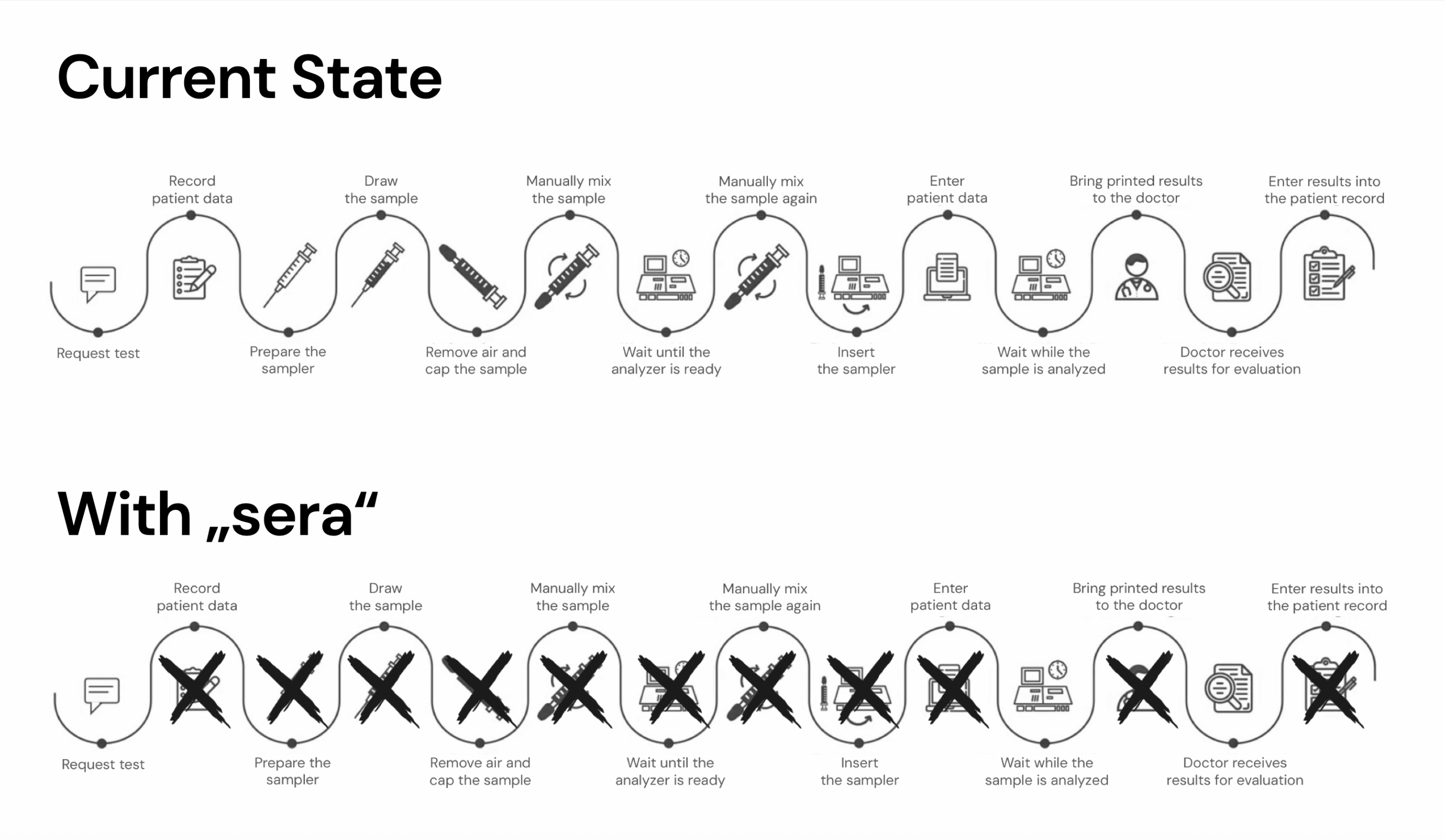
With sera, I focused on rethinking the workflow of blood gas analysis in intensive care. There is a severe shortage of nursing staff and samples must still be taken manually, transported, analyzed, and documented. Instead of designing a single product, I approached the problem as a system. I analysed existing processes, identified inefficiencies, and translated them into a more integrated, automated solution. The goal was to reduce manual steps, minimize errors, and create real value for both medical staff and patients.
The aim of this design is to develop an intelligent system that makes the process of a blood gas analyser more efficient through automation and better usability.
Challenges
1
How can blood gas analysis be automated without disrupting existing clinical workflows?
2
How can complex medical systems reduce stress and workload for healthcare staff and patients?
3
How to integrate the system into existing hospital environments and complex clinical workflows?
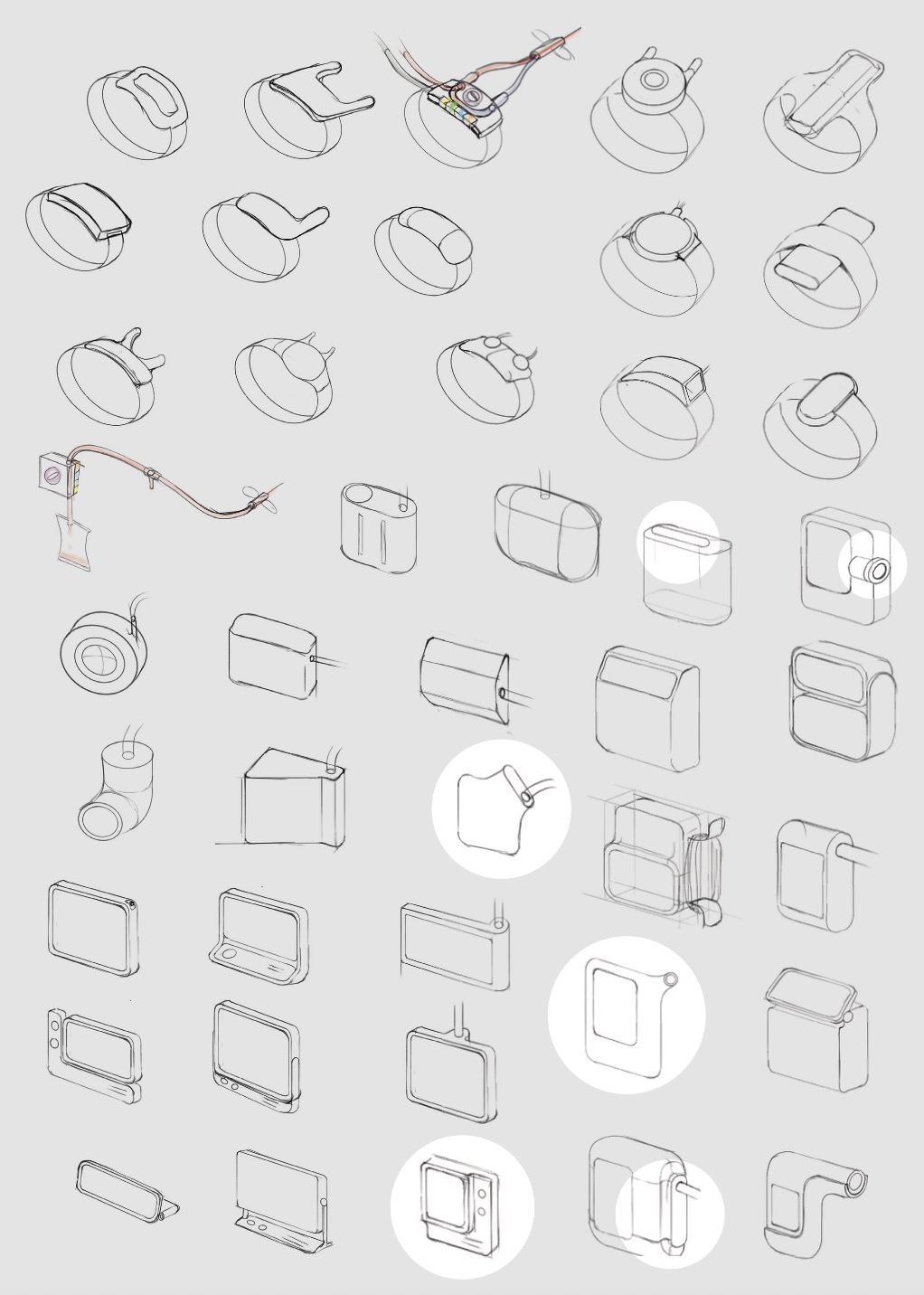
SKETCHES & IDEATION
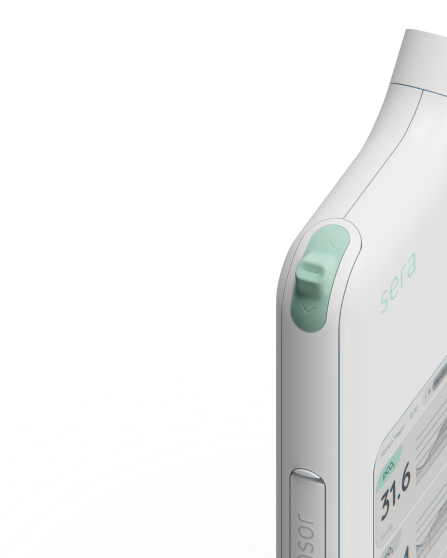
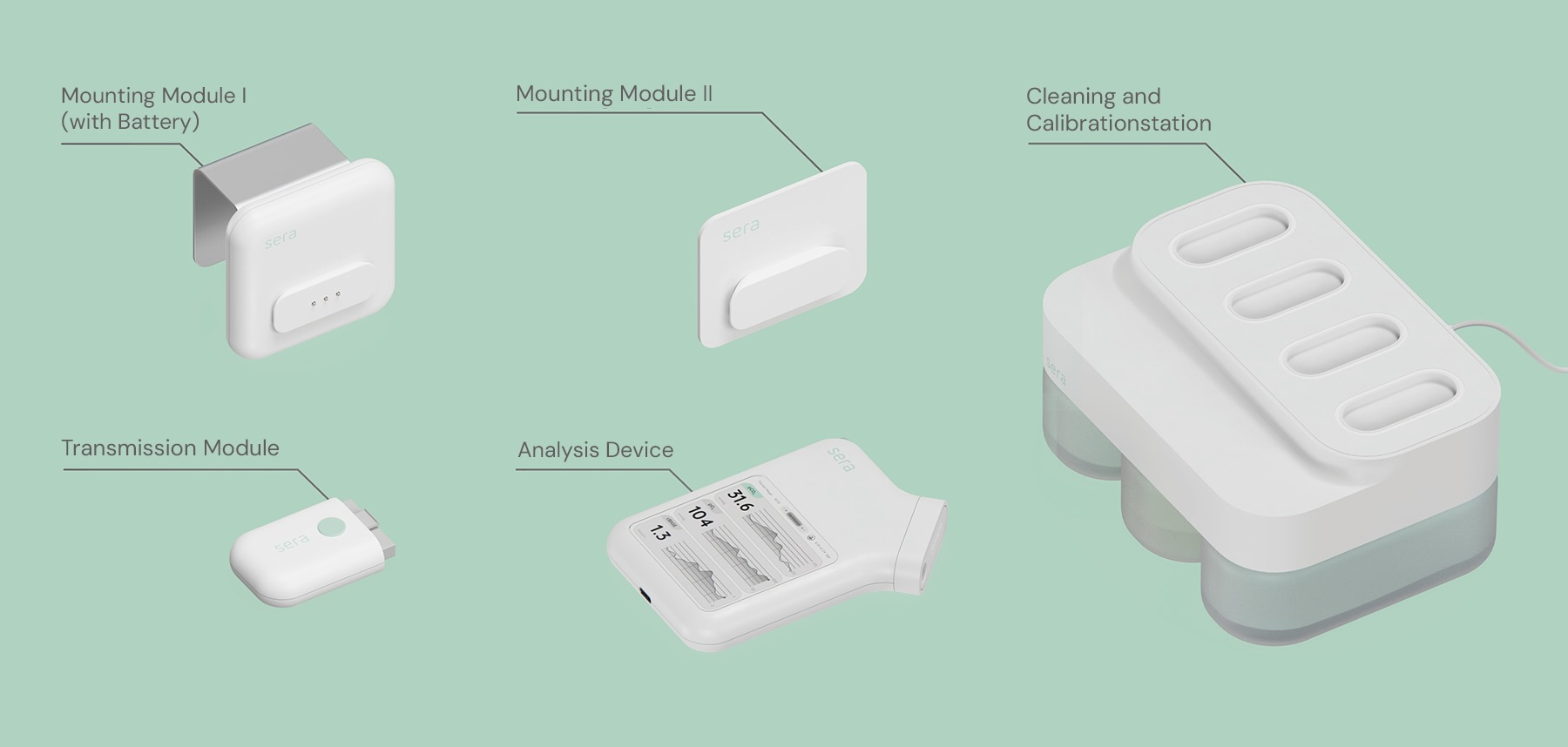
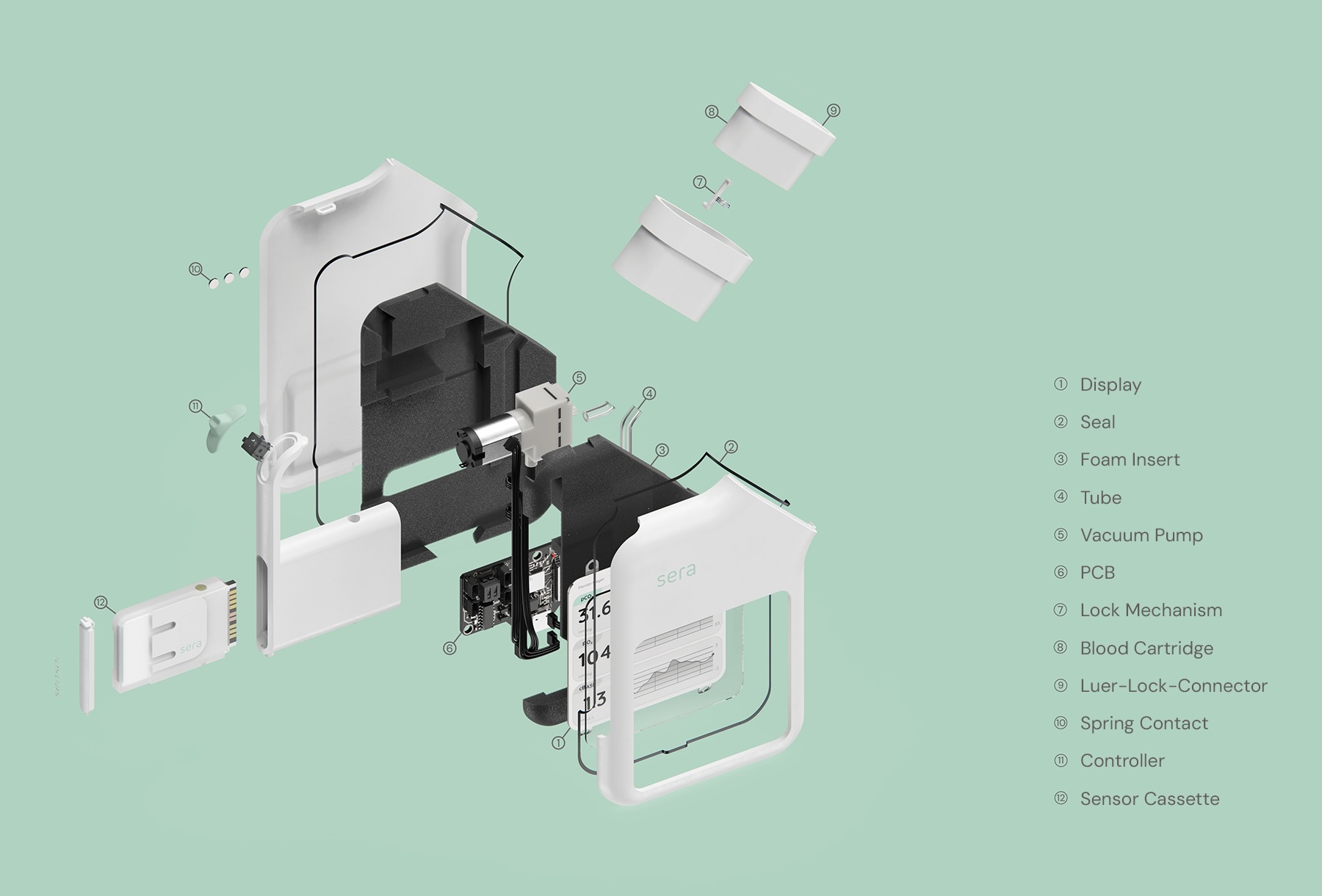
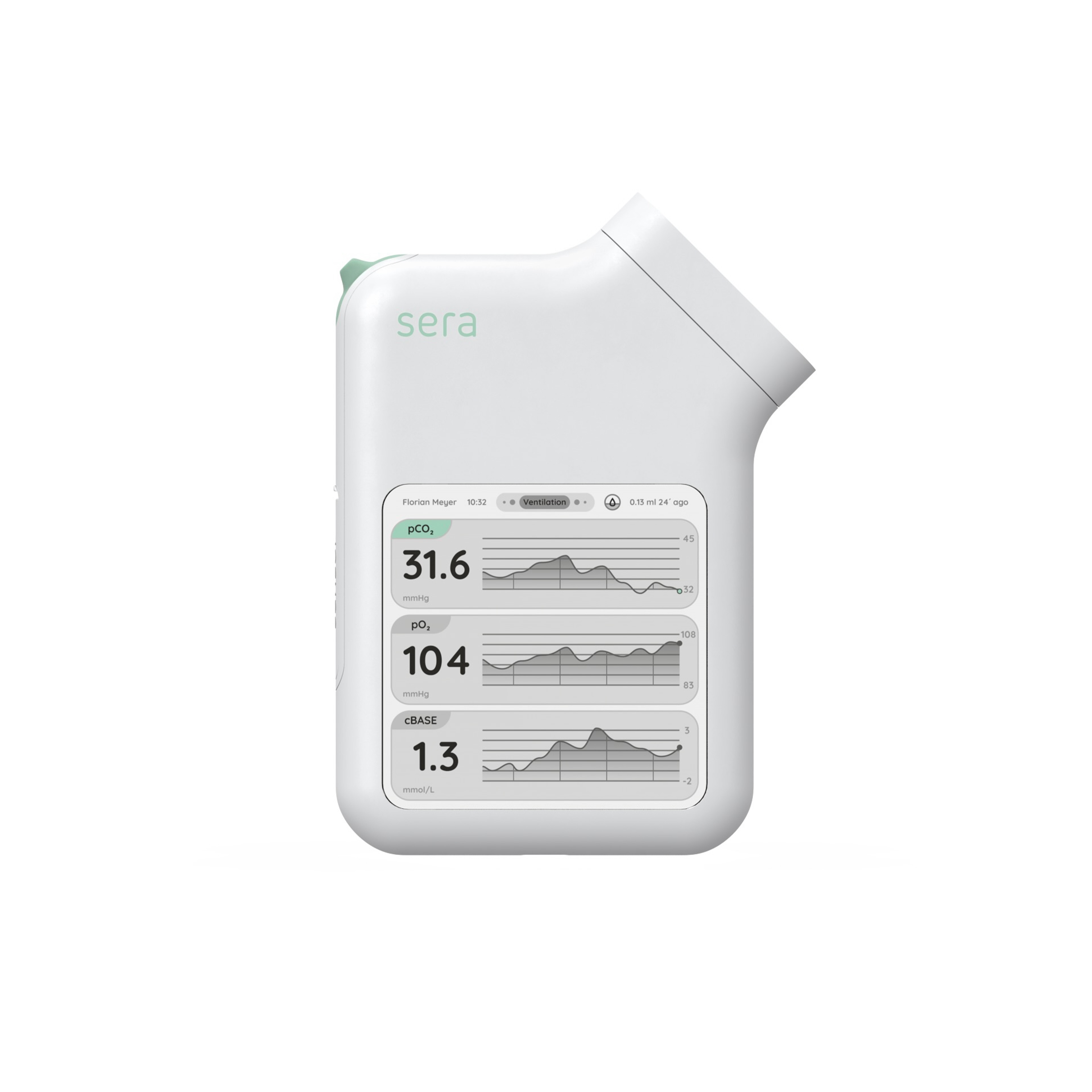
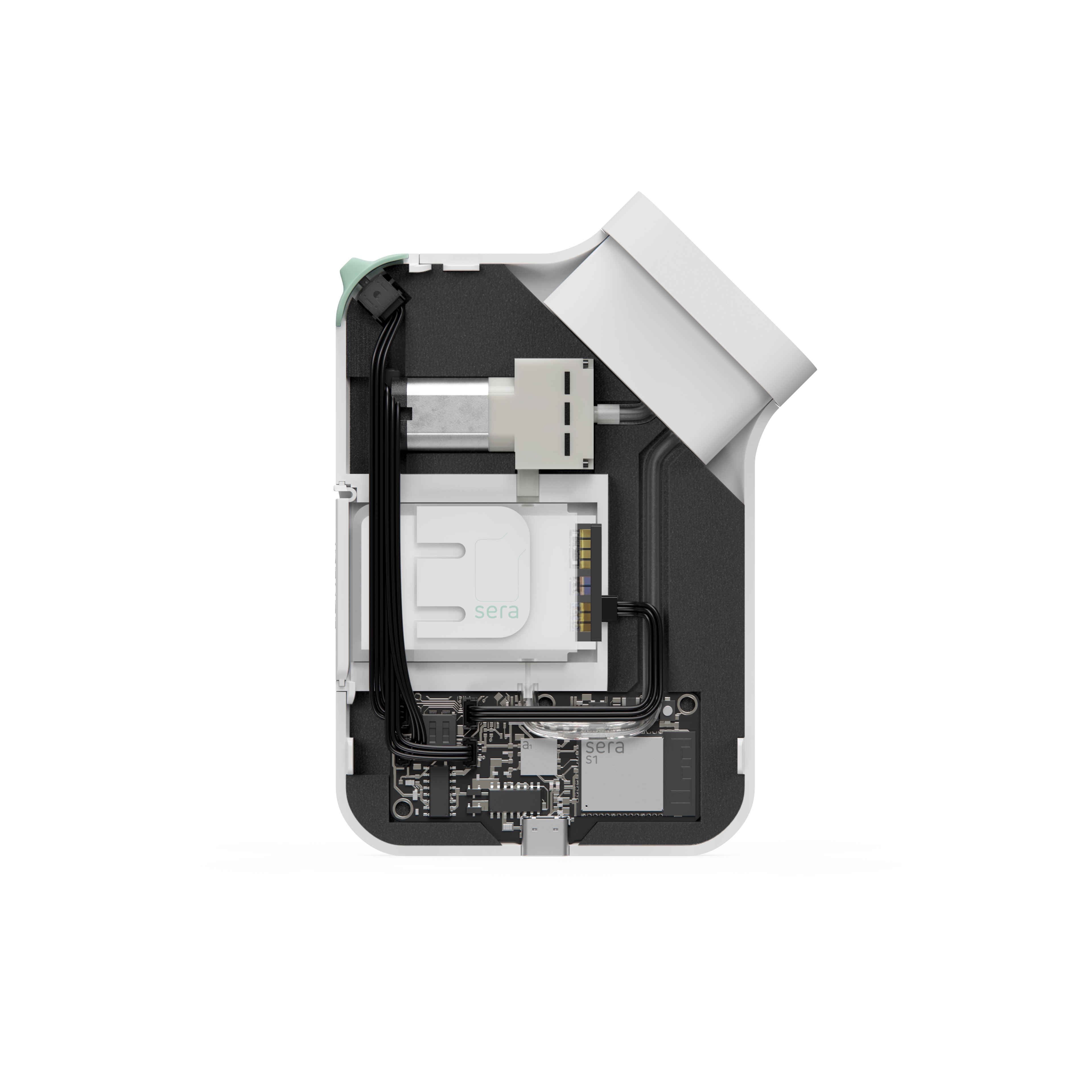
sera consists of an analysis device with a sterile, replaceable blood cartridge, a data transmission module, and two mounting modules that enable mobile use.
The docking station is used for cleaning and calibration between uses.
The analysis device is connected to the existing cathetersystem, regularly draws samples, analyses them directly at the bedside and transmits the data in real time to the digital patient record.
The system integrates seamlessly into existing clinical infrastructures while at the same time fundamentally rethinking standardized workflows. Its design combines clarity, sustainability, and functional quality, thereby reducing sources of error and relieving both medical staff and patients.
Throughout the project, I worked at the intersection of product, system, and infrastructure. It required thinking beyond form, understanding clinical environments, workflows, and constraints, while designing a solution that integrates seamlessly into existing structures. The focus was not only on functionality, but on sustainability, usability and reducing complexity in high-pressure situations.
My personal motivation for the project stemmed from the desire to create a product that transcends my interest in design and technology and offers genuine long-term value to people. It was important to me to develop a tool that is not only technically innovative but also provides concrete help to people and has a deeper, socially relevant benefit.
Questions I Asked During or After the Process
How can design reduce stress in high-pressure environments?
Where does usability become a matter of patient safety?
How can sustainability exist without risking patient safety?
What I Would Continue Working On
Conduct clinical simulations and usability testing
Develop the system further with medical professionals and engineers
summary
System design for automated blood gas analysis in intensive care
Integration into existing catheter and clinical infrastructures
Real-time data collection and transmission to digital patient records
Modular setup with analysis device, cartridge, docking, and mounting system
Focus on reducing manual workload, errors, and improving patient care